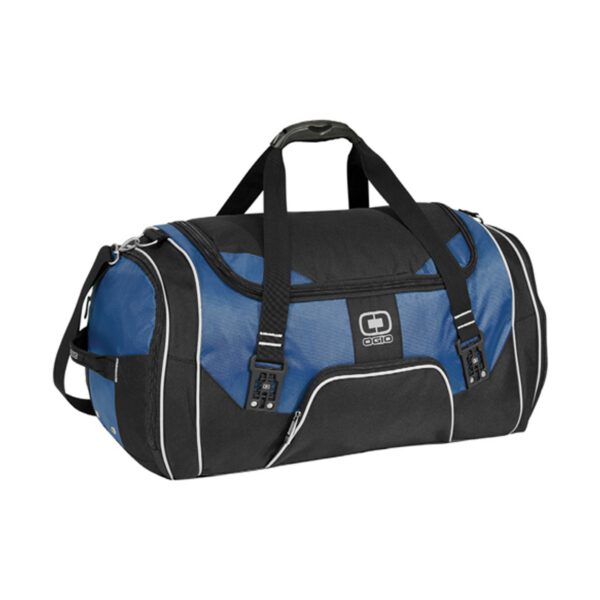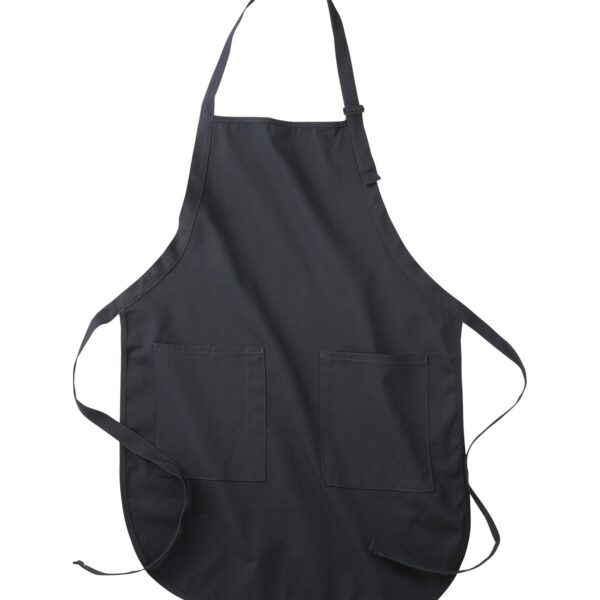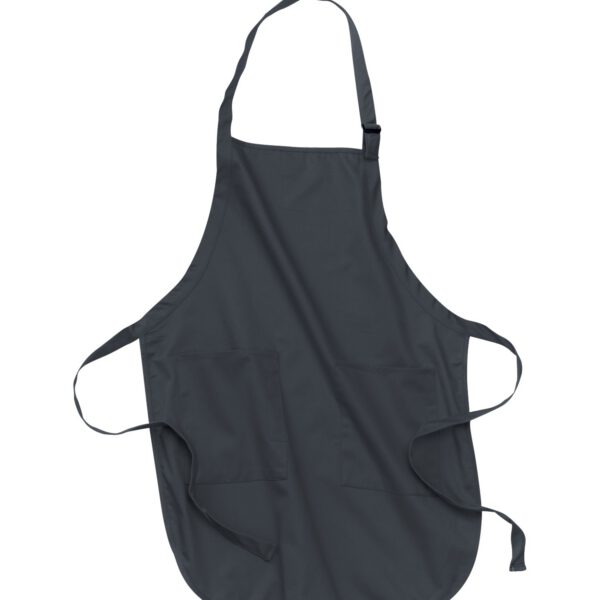




Kitchen Aprons

Chef Kitchen Apron

$17.00
Coalgrey
Deeporange
Extremeorange
Extremepink
Forestgreen
+10
Gold
Kellygreen
Limeshock
Maroon
Purple
Silver
Truenavy
Truered
Trueroyal
White

Select options This product has multiple variants. The options may be chosen on the product page
Why Your Global Supply Chain is Bleeding

The Myth of the ``Easy Source``:

The boardroom is filled with the scent of expensive coffee and the static of a thousand broken promises. You’ve seen the slides: “Global sourcing made simple,” “Seamless logistics,” “Infinite scalability.” But out in the warehouse, the reality is a jagged pill. There are no “simple” supply chains in an era of fluctuating tariffs and ghosting vendors. If your production line is stalled because a fabric mill in another hemisphere didn’t get the memo on the new safety standards, it isn’t just a “logistics hiccup”—it’s a foundational collapse of your procurement strategy.

The critics will tell you the solution is just “better software.” They’ll say that if you just install a more expensive ERP or use a sleeker inventory dashboard, the chaos will vanish. True enough, tools matter, but buying a high-end oven doesn’t make you a Michelin-star chef. Just like a designer using Lorem Ipsum is merely a symptom of a deeper lack of content strategy, using “automated sourcing” without boots-on-the-ground verification is a symptom of a business that has forgotten the value of the “check-and-balance.”

You built the portal. You got the vendor licenses. You even integrated the API to keep the inventory “real-time.” But what about the daily bread of your business—the actual product quality? Will your industrial clients accept a “facile” excuse when a shipment of high-visibility safety vests arrives with the wrong reflective rating?

The industry authorities will shout from the rooftops that “Middlemen are dead,” and that “Direct-to-Factory” is the only path forward. Not so fast. Going direct is a death trap if you don’t have the granularity of a localized management team. Commercial publishing is easy because data is digital; commercial manufacturing is a beast because a millimeter of difference in a garment’s hem can mean a hundred thousand dollars in returned stock.

You can slap a logo on a generic polo and call it a uniform, or you can outsource your frustration to a partner that understands the “unintended consequences” of a poorly vetted supply chain. Adaptive management in the world of Jastex isn’t just about having a pretty website or a functional API; it’s about a prototype of the real process. You don’t know your supply chain works until you’ve stress-tested it with a real, high-volume order under a tight deadline. Until then, you’re just looking at a design comp of a business that doesn’t actually exist.